Trailer · 8 seconds
1931 is grey. The future is not. Dolly steps through the rift, meets the Maiden and Barnaby in a Metal Goat year valley, then brings color home decades too soon — a looping glimpse of the tale below, ready to drop on Arkatype Farms, Ozarks Goat News, Charlotte's Critter Caboose, or The Goat Maiden.
Page 1 / 10
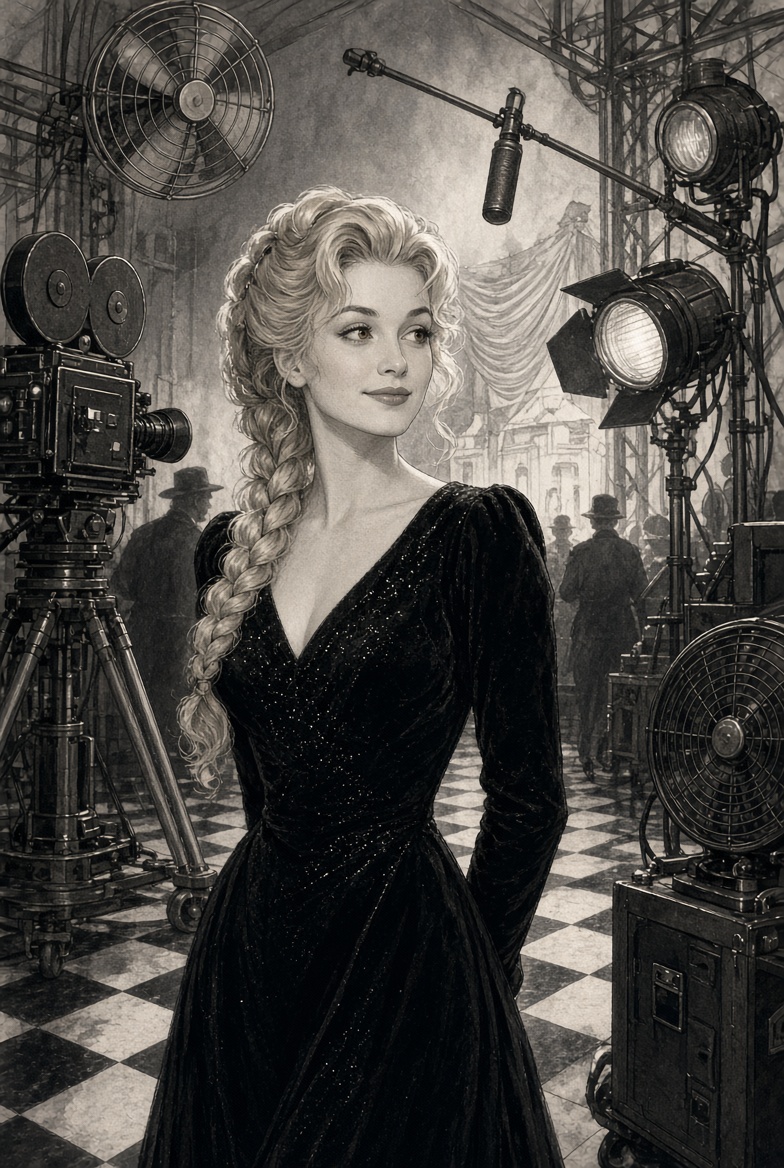
In the heart of 1931 — a Metal Goat year, if anyone on the lot had bothered to ask the stars — Dolly was the queen of the Silver Screen, though her kingdom was strictly black and white. To the world, she was a visionary producer in a velvet dress, commanding sets with a sharp eye and a mysterious smile. Hollywood still spoke in grey. Dolly was already living in color. She held a secret tucked away in the folds of time: she didn't just imagine the future of cinema; she had actually seen it. Her studio was a sanctuary of shadows and light, where the hum of the cooling fans whispered of worlds yet to be born.
Page 2 / 10
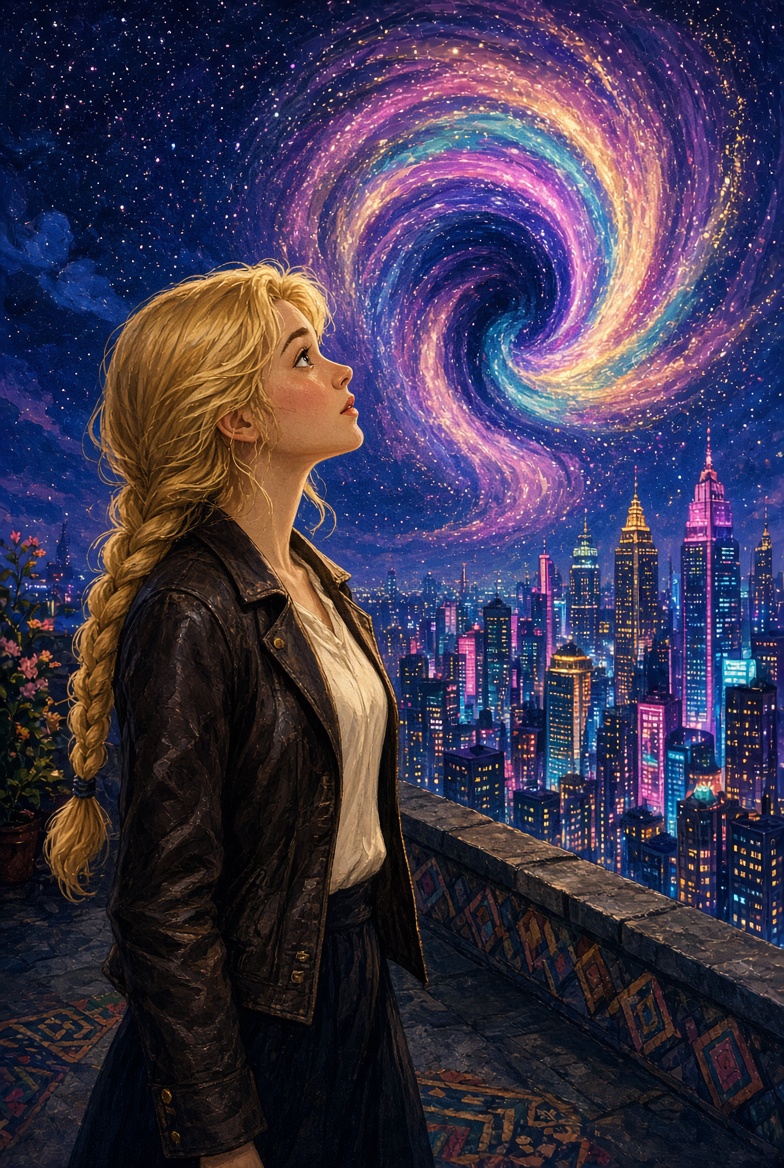
When the moon rose high over the studio lots, Dolly would step through the shimmering rift in her dressing room. She would emerge a century later, where the air tasted of ozone and the skyline was a tapestry of neon. On these rooftops, she wasn't a producer; she was a wanderer in a leather jacket, soaking in the vibrant, impossible colors of the 21st century. It was here that she realized the world was too beautiful to remain trapped in shades of grey.
Page 3 / 10
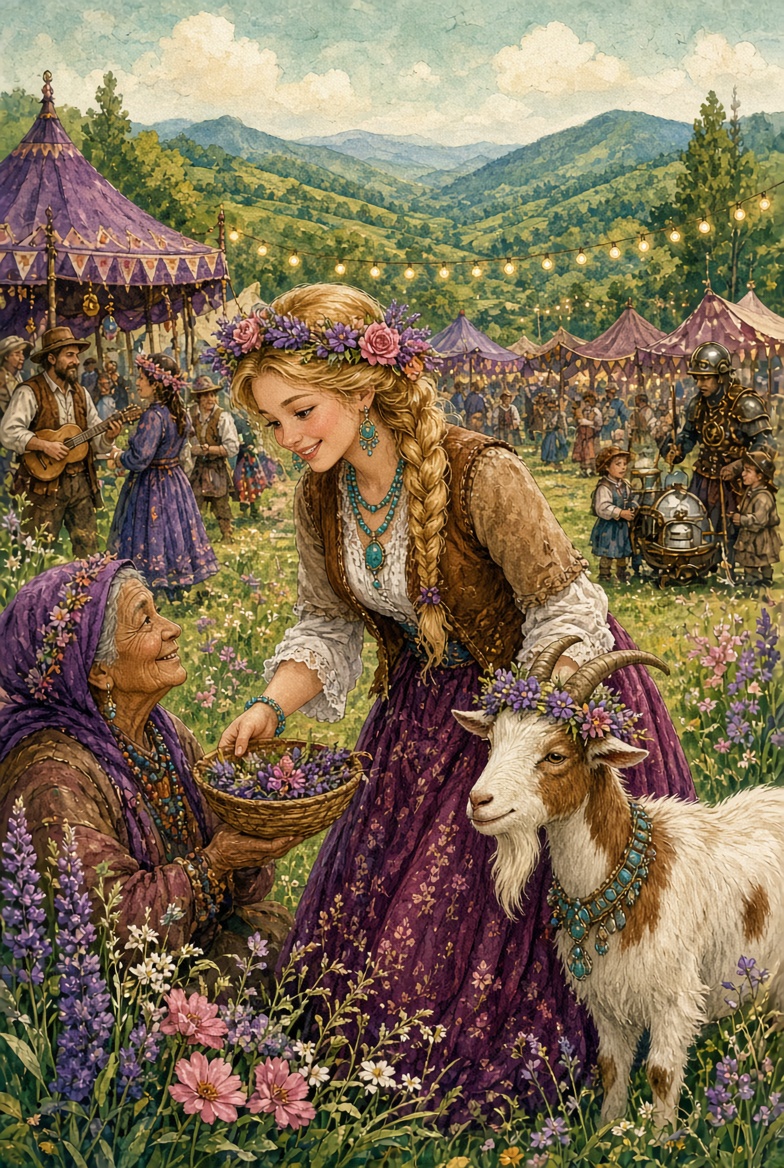
During one journey, Dolly encountered a festival in a verdant valley, a place where history and the future danced together. She saw a young woman—a version of herself who had never known the constraints of the past—tending to guests with a joyful spirit and a loyal goat by her side. The colors were breathtaking: deep purples, earthy browns, and the brilliant turquoise of hand-crafted jewelry. "This," Dolly whispered, "is the story I must tell."
Page 4 / 10
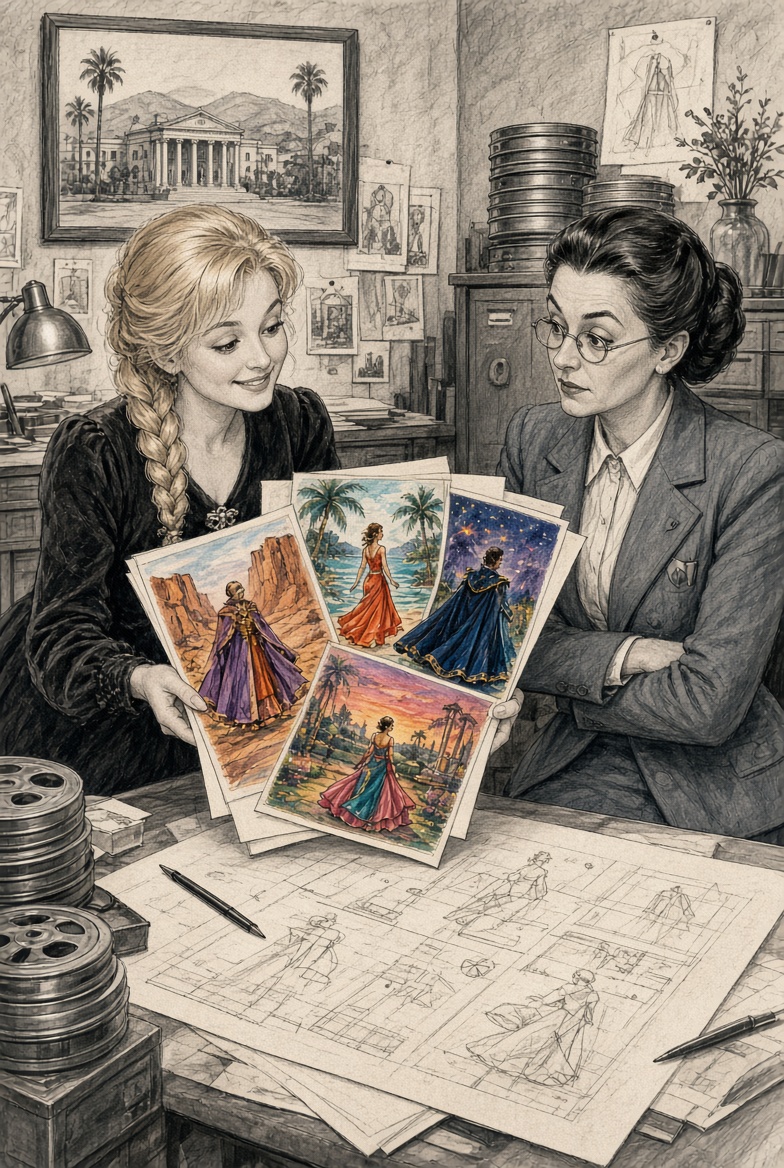
Back in 1931, Dolly’s ambition met a wall of skepticism. Her lead assistant, Margot, stared at the sketches of vibrant costumes and strange, saturated landscapes. Margot was the best in the business, but she dealt in charcoal and slate, not the "electric hues" Dolly described. "A film in full color?" Margot asked, adjusting her glasses. "Dolly, the chemistry doesn't exist. The cameras aren't built for this. You're chasing a ghost."
Page 5 / 10
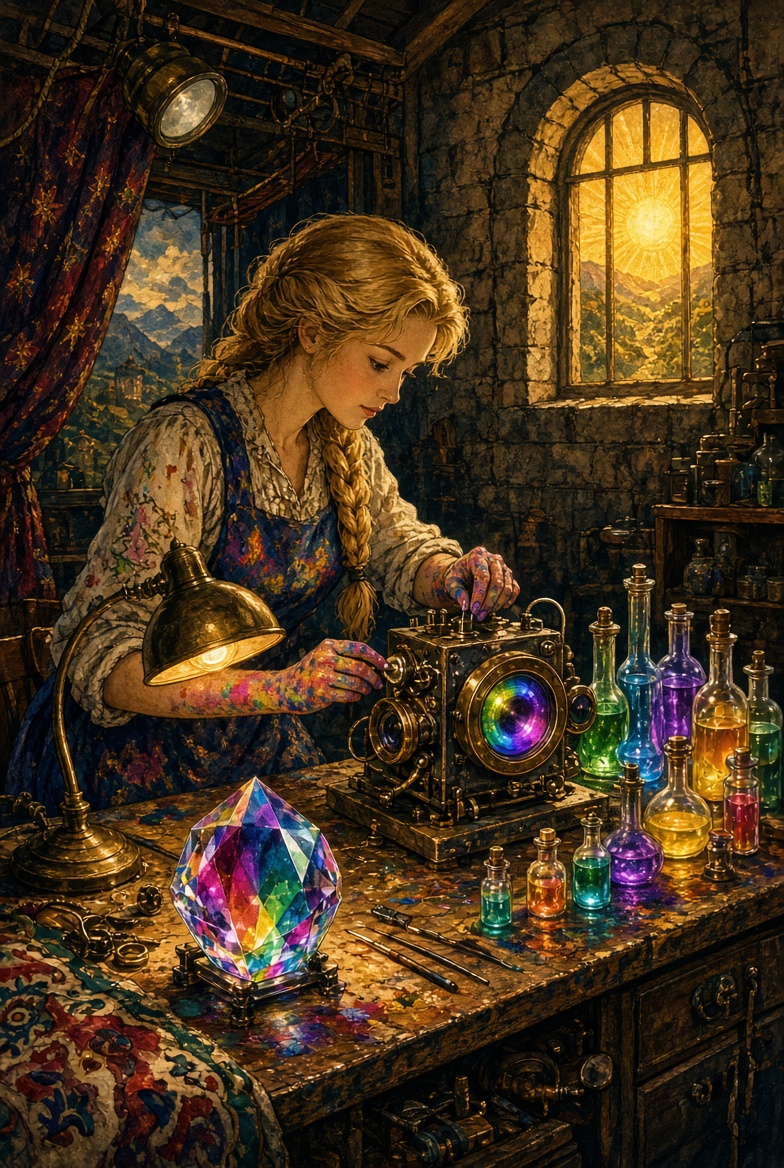
Dolly didn't listen to the word "impossible." She spent her nights in a secret laboratory she had built beneath the soundstage. Using components she’d scavenged from the future—a prismatic lens here, a peculiar chemical catalyst there—she began to build a camera that could see what no other could. She worked until her hands were stained with dyes that didn't yet have names, fueled by the memory of the future’s golden sun.
Page 6 / 10
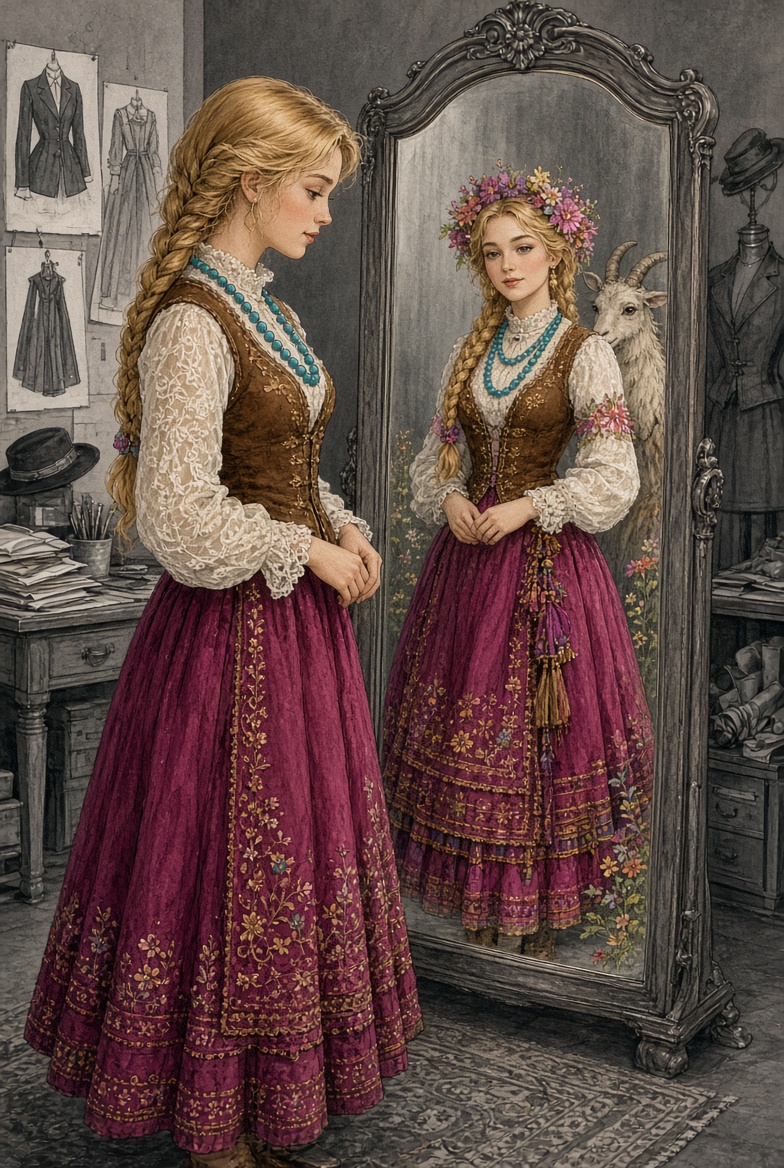
To ensure the vision was perfect, Dolly decided to play the lead herself. She stepped into the wardrobe department and emerged as the Maiden she had seen in her visions. The transition was jarring; in the black-and-white world of the studio, her vibrant clothes looked like a riot. She looked into the mirror and saw two people: the woman from the past and the girl from the future, finally merging into one.
Page 7 / 10
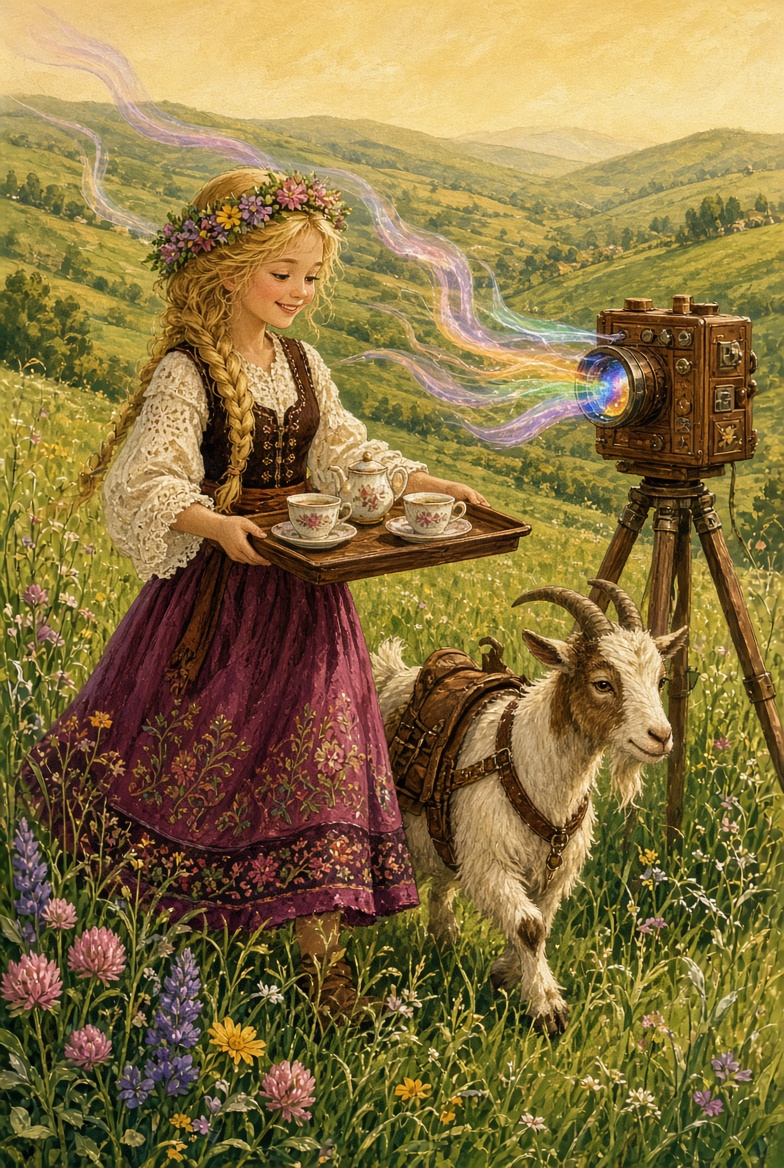
Production began on a hidden set in the hills. Dolly brought in Barnaby, a goat who seemed to possess a wisdom beyond his species. As the camera rolled—the strange, humming machine Dolly had built—she felt the rift between eras closing. She moved through the grass, serving imaginary beverages to ghosts of the future, while Barnaby trotted faithfully at her heels. The film was capturing more than light; it was capturing time itself.
Page 8 / 10
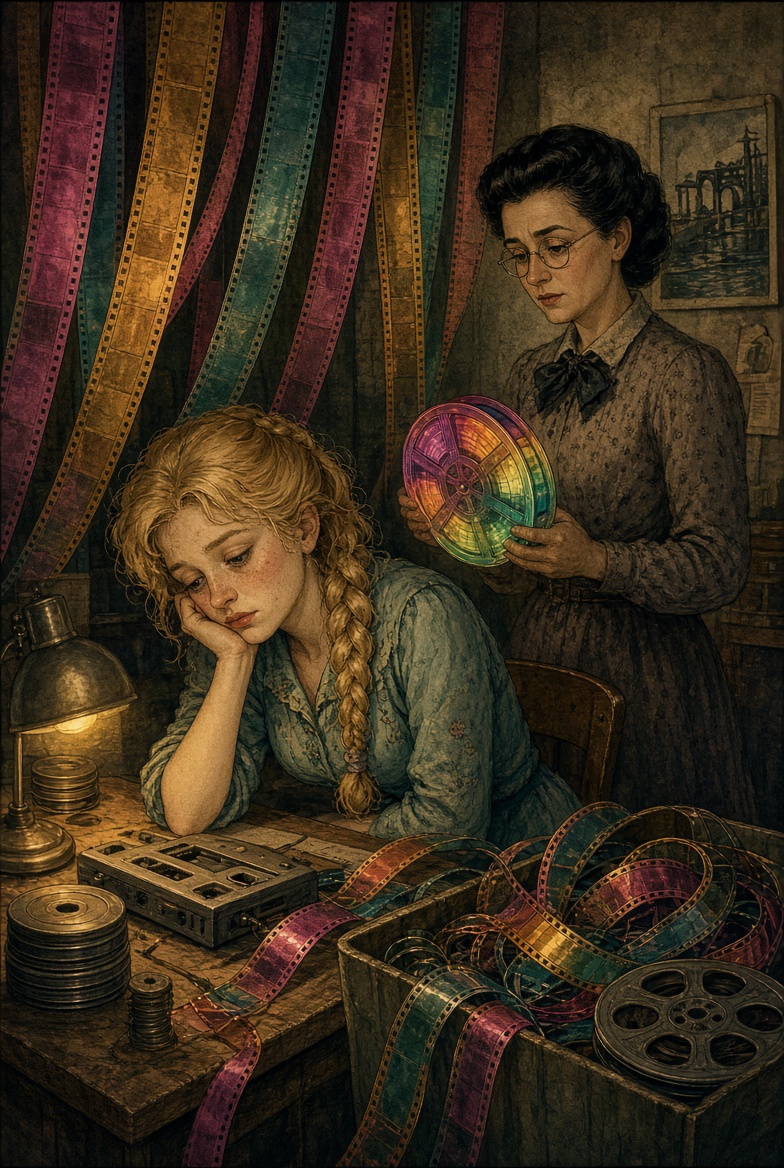
As the weeks turned into months, the strain of living in two worlds began to show. Margot noticed the way Dolly would stare at a sunset, her eyes tracking colors that no one else could see. Margot found her friend slumped in the editing room, surrounded by strips of film that looked like rainbows. Margot didn't understand the science, but she understood the soul of an artist. She picked up a reel and realized her friend wasn't just making a movie; she was building a bridge.
Page 9 / 10
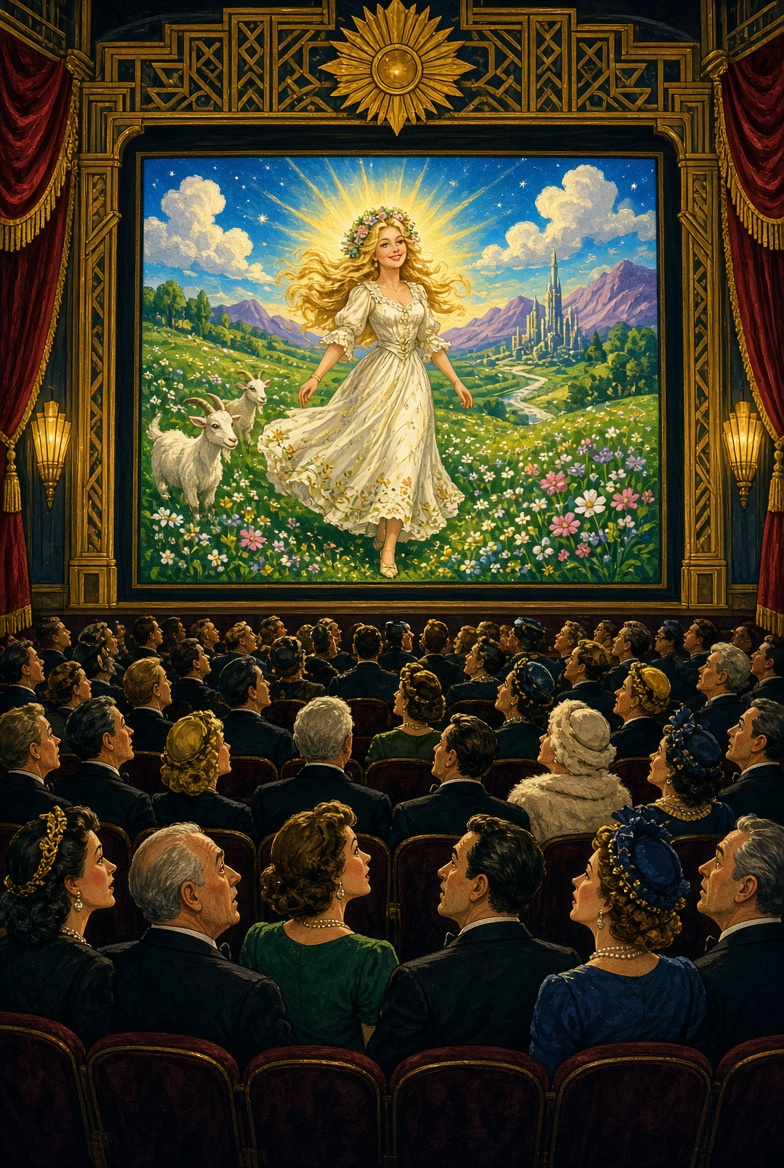
The night of the premiere arrived. The theater was packed with the elite of Hollywood, all expecting the usual shades of grey. When the lights dimmed and the first frame of "The Goat Maiden" hit the screen, a collective gasp filled the room. The audience saw a world of emerald grass and sapphire skies. They saw Dolly, radiant and real, walking through a future that felt like a dream they had all forgotten.
Page 10 / 10
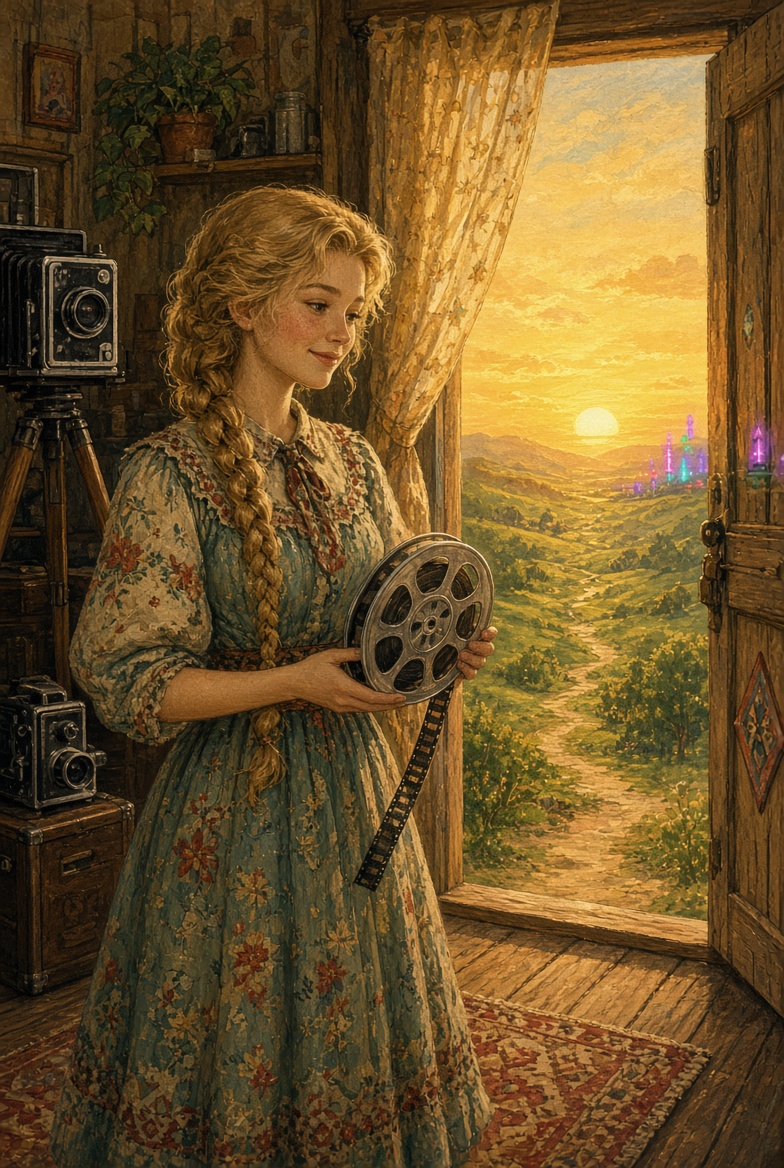
"The Goat Maiden" changed cinema forever, but Dolly didn't stay to bask in the fame. She returned to her studio, where the old black-and-white cameras now felt like relics of a distant age. She knew that in a hundred years, people would look back at her film and wonder how she knew. Dolly just smiled, picked up a new reel of film, and looked toward the horizon. The future was waiting, and she had so many more stories to bring back.